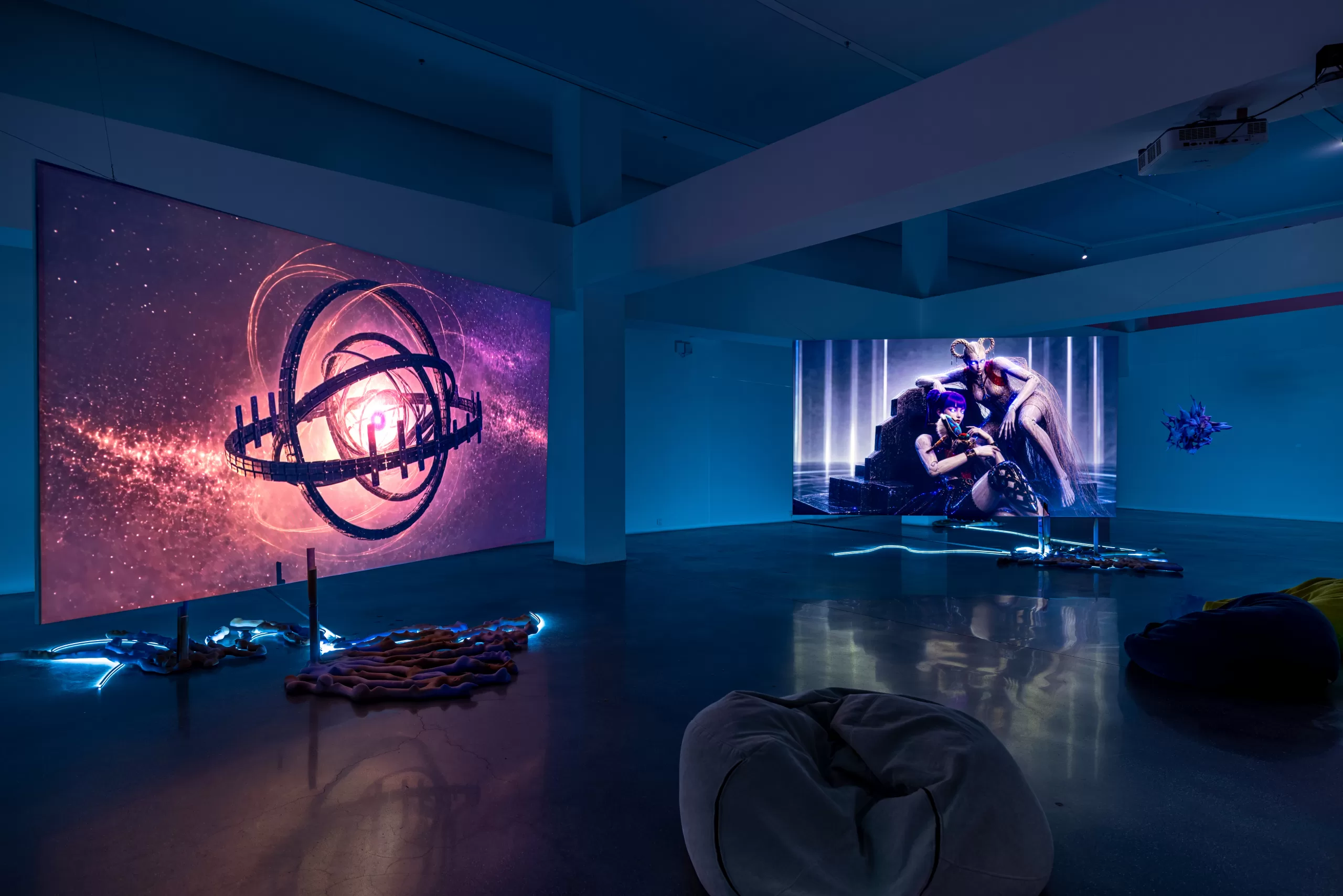
预言机
前言
算法谶语与存在悬置:罗灿的预言机
文/顾振清
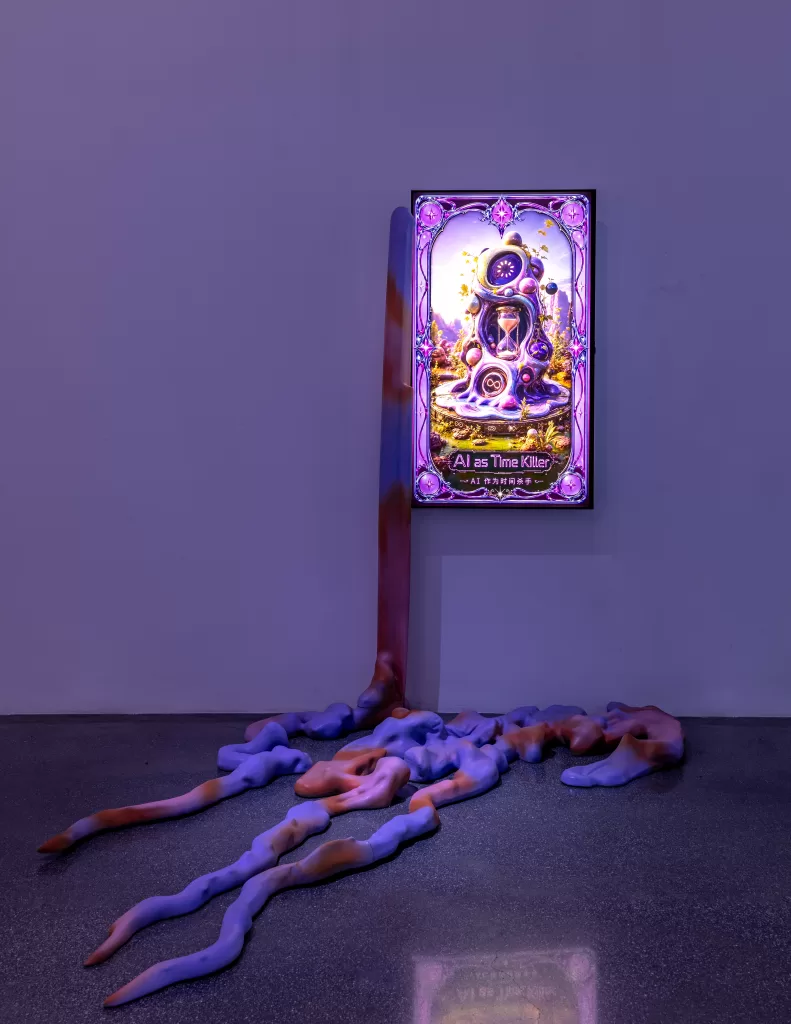
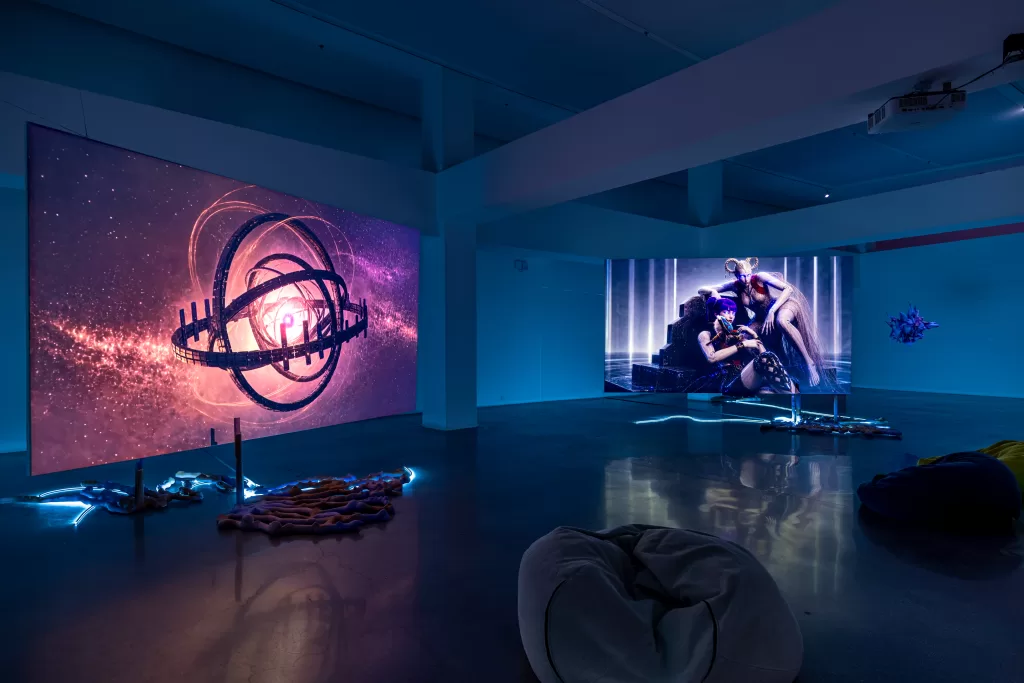
在计算机理论中,预言机是附加在图灵机上的黑盒神谕装置,用以研究可计算性。而在区块链领域,传统预言机只是一种链上链下交互工程的中间件模块。它是区块链与现实世界的数据信使,负责抓取外部数据、标准化后上链,驱动智能合约自动执行。早在AI大模型爆发前,多媒体艺术家罗灿(Echo Can Luo)使用AI数字生成技术创作艺术作品已有多年。AI工具似乎逐渐成了她外挂知识库的一个预言机,一个带有黑盒子预言者的图灵机,帮助她衡量每个新作品未来提出新问题的计算难度。
因留学经历,罗灿曾栖居于德国卡塞尔媒介思辨的哲科场域,以深度学习算力范式为基底,打造系列性数字生成艺术作品,挣脱当代AIGC视觉生产的庸俗范式,以个性鲜明的思辨语态,剖开智能时代认知本体的结构性裂隙,完成技术理性与形而上虚无的极端对冲。她的作品并非算法图像的浅表堆叠,而是一套以机器认知为载体、诘问时空存在与真理虚妄的后人类艺术思辨体系。
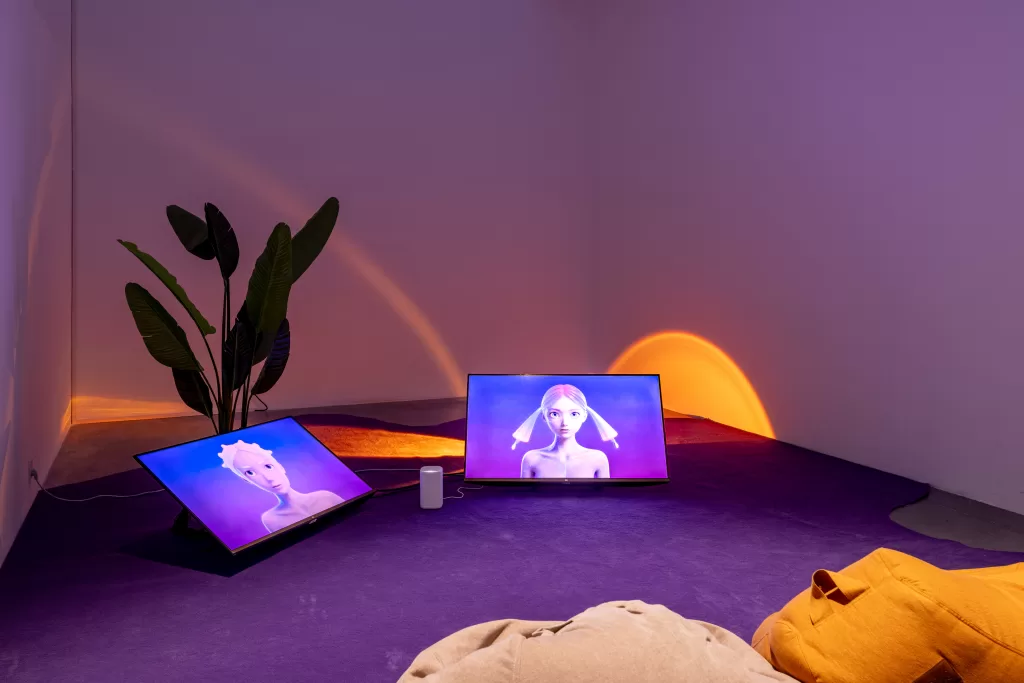
罗灿深耕德国严谨的媒介批判传统,远离大众套用大模型生成的审美复刻与同质化奇观的AI艺术尘嚣。她将创作锚定于深度学习的本体悖论之上。其系列作品彰显的语境,彻底消解了世俗宿命论的臆断属性,转化为神经网络海量参数迭代、数据拓扑拟合、概率阈值偏移所生成的非人化认知范式。AI大模型往往有一个人工设计的先验的算法结构,故而它以归纳性逻辑偏置,统摄人类文明既有的全部经验存量。它通过超大参数量+海量数据带来百亿级参数优化的算力作用,高效求解高维概率分布,推演、建构一种看似确凿的最优解的未来图景。实则,它始终困囿于过往经验的闭环,无法生成超验性的存在新知。罗灿《颜值/阀值》的作品矛头直指AI海量数据与超大算力所导致的经验概率拟合结果,以及其中带有的欧美白人美学、人类中心主义的价值观偏差。她揭露AI所暗藏的哲科逻辑悖谬,极具批判锋芒,还每个人以平等相待、和而不同的人性光泽。
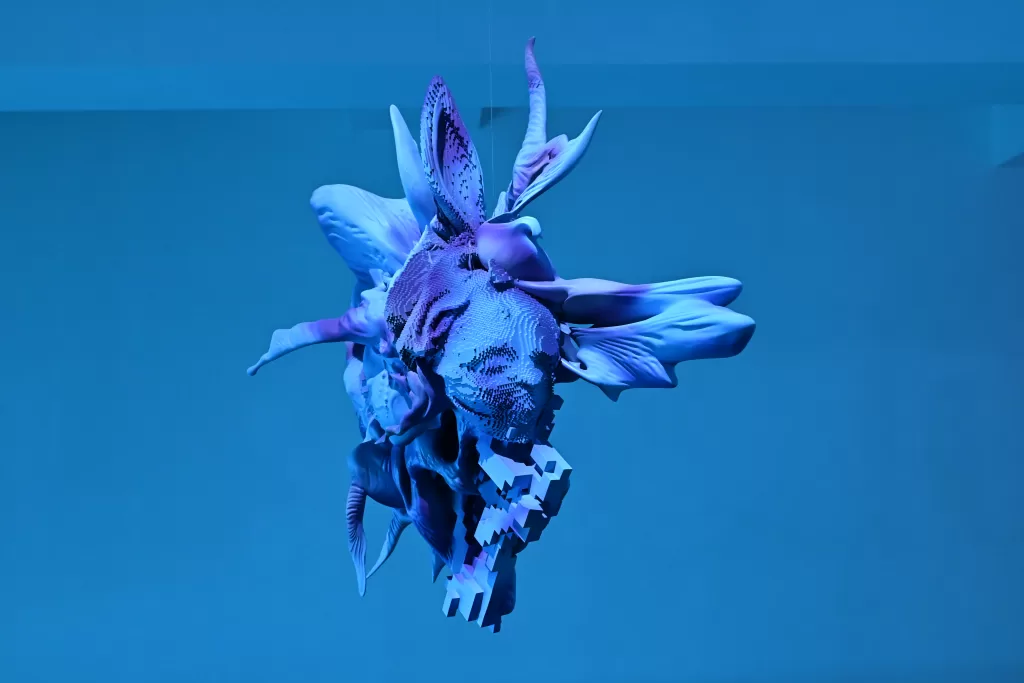
罗灿作品以机器自主学习的畸变生成,具象化演绎技术理性的内在虚无。规整精密的算力运算,并未产出绝对秩序的真实,反而通过多层模型权重的自主扰动,滋生混沌暧昧、边界坍缩、逻辑失序的视觉肌理。艺术家刻意保留算法推演的不确定性残痕,让理性运算的极致,反向催生认知的彻底虚妄,解构了人类长久以来对“预判、真理、确定性”的本体崇拜,完成对技术中心主义的深度祛魅。
从技术哲学维度审视,罗灿重构了预言叙事的古今范式。古典预言依托神性想象与有限经验,是人类主体性对未知边界的僭越试探;而人工智能预言是无主体、无意志、无目的的机械演算,以绝对理性替代主观臆断,却制造出更彻底的认知异化。观者凝视作品中的算法谶语,实则是凝视人类自身认知的盲区:我们臣服于算力建构的未来幻象,却漠视深度学习无法突破经验桎梏的本质缺陷。
罗灿的艺术思辨兼具欧陆哲学的深邃晦涩与东方存在观的通透自省。其创作跳出工具论的浅层批判,直指后人类时代的存在困境:算法愈精准地推演未来,人类的自由意志与自主认知愈趋于悬置;数据愈极致地规训时空,存在的确定性与本真性愈趋于消解。作品所有异变的生成图像,皆是当代人被算力裹挟、被数据异化、被未来幻象裹挟的精神本相。罗灿作品以具身认知的艺术语态、现身说法的情动要素,严密自洽的哲科逻辑,将深度学习技术转化为叩问存在的思辨媒介,撕开智能时代的认知伪饰。其创作证明,真正的数字艺术,不在于技术形式的革新,而在于以机器为镜,勘破理性的虚妄、未来的虚无与存在的悖论,为当代人工智能艺术赋予了稀缺的本体论厚度与批判性深度。
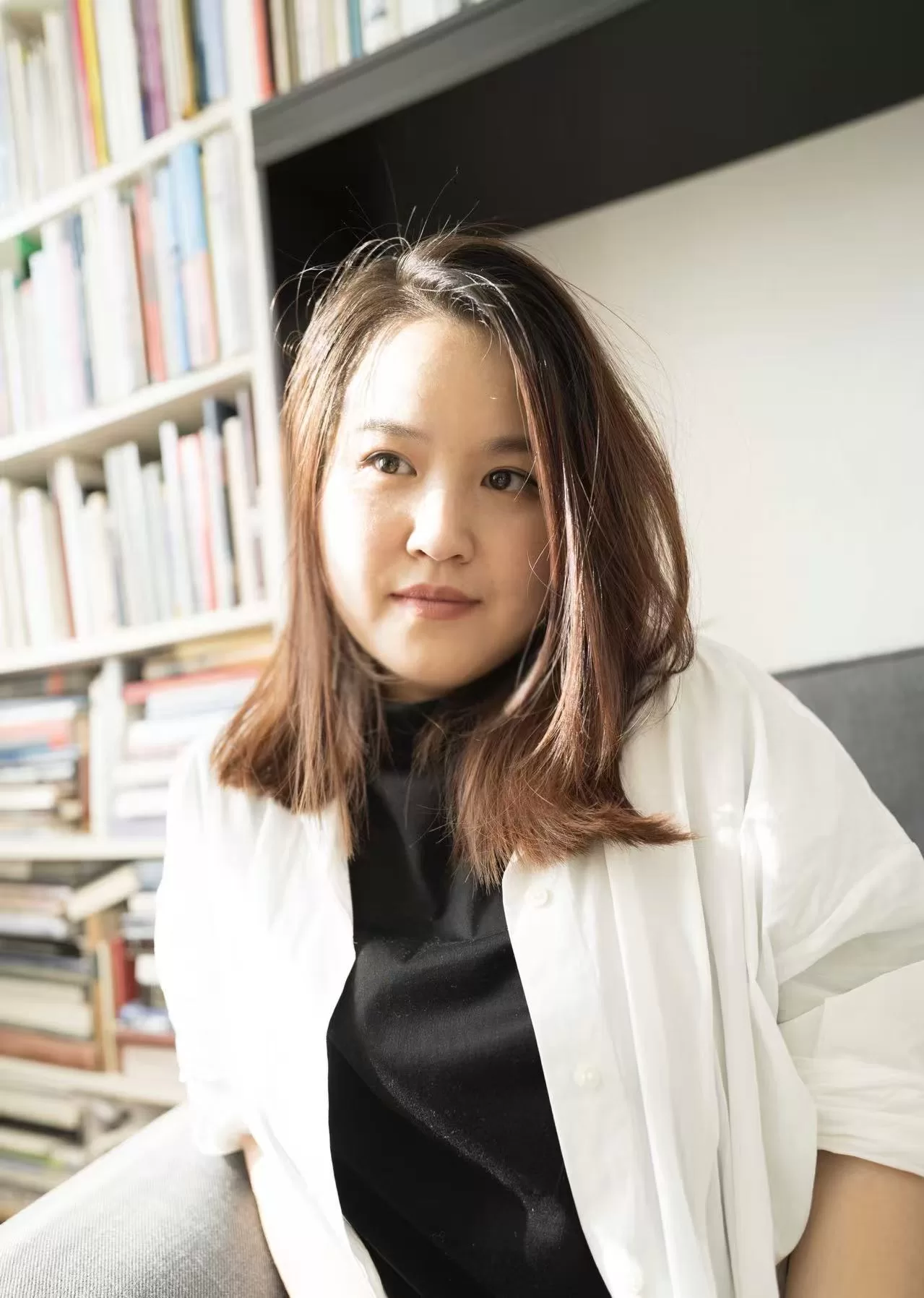
艺术家:罗灿
Artist: Can Luo
2006–2010 年就读于中国美术学院多媒体设计专业,2010 年获学士学位, 2018 年于德国卡塞尔艺术学院(Kunsthochschule Kassel)取得硕士学位,并于 2019 年 7 月前获得 Joel Baumann 教授的大师(Meisterschülerin)称号。
她现任湖北美术学院实验艺术学院教师,兼任奥地利维也纳应用艺术大学(University of Applied Arts Vienna)客座副教授;曾任德国卡塞尔艺术学院新媒体教师、德国科隆媒体艺术学院(Academy of Media Arts Cologne)网络艺术专业教授,并兼任该院”黑镜研究所”研究员。
罗灿的艺术实践经常围绕虚幻与真实世界的交叉性叙事来构建,探讨新媒体对我们批判意识、社会传播与交往的影响,并要求对数字技术在当下由媒体主导的文化中的常规参与进行更为激进的思考。她的创作以算法为基础,运用3D 建模、3D 摄影测量与面部追踪等技术,观察软件在应用与测试过程中所显现的偏见与差异化算法,以及不同背景的人群在现实情境与数据中所遭遇的歧视与偏见。3D 人机交互、人工智能数字化偏见研究、数字女性等社会议题,是她作品主要的关注方向。
她持续关注新媒体如何作用于我们的批判意识、交流方式与整个社会。基于对新媒体的研究与观察,她的作品揭示出:在社交媒体时代,抵抗图像的权力、不臣服于外部理想的规训,是何等困难。算法看似中立透明,实则在无形中参与着权力的再分配。无论以何种有形或无形的方式,当下的算法都对边缘群体的人权保持着某种习以为常的漠视。作为卡塞尔CURA HAN HATI 艺术家集体与柏林 dgtl fmnsm数字女性集体的核心成员,她立足新媒体学科背景,与物理、哲学、社会学等领域展开跨学科合作,探讨公平未来主义与交叉性,在信息过载的互联网语境中,应如何在算法与数据所谓”中立”的世界里,直面人为的偏见。她的作品敦促并启发观众,对这些发现进行批判性的观察。
近期主要展览地:合美术馆(2025 武汉)、第 15 届哈瓦那双年展(2024古巴)、德国女性美术馆 Frauenmuseum(波恩,2024)、汉堡 Kampnagel(2023德国)、波兹南调解双年展(2023波兰)、德国联邦艺术展览馆(Bundeskunsthalle Bonn,2023)、KAI10 – ARTHENA 美术馆(2023杜塞尔多夫)、顺德盒子美术馆(2022)、德累斯顿 HYBRID 双年展(2022德国)、成都双年展(2021)、HAU 柏林国际演艺中心独立剧院(2021德国)、第 37 届卡塞尔纪录片电影节(2020,德国)、卡塞尔美术馆(Kasseler Kunstverein,2020德国)、柏林艺术周(2020)、莱比锡造型艺术博物馆(MdbK Leipzig,2019德国)、卡塞尔文献展展厅(2018德国)、汉堡第 8 沙龙(2018德国)、中国美术学院美术馆(2017)、柏林 Panke 画廊(2017)等。2017 年获 Less adorno More play 新媒体类金奖,2018 年获卡塞尔艺术学院联合 CWD 进步基金”Examen 2018″荣誉奖等多项提名;曾获德国北威州艺术家基金、黑森州艺术家基金等。2022 年参与 HAU 柏林独立剧院的艺术家驻留。
Echo Can Luo studied Multimedia Design at the China Academy of Art (CAA) from 2006 to 2010, receiving her bachelor’s degree in 2010. She obtained her master’s degree at the Kunsthochschule Kassel in 2018 and was a Meisterschülerin of Prof. Joel Baumann until July 2019.
She is currently a faculty member at the School of Experimental Art, Hubei Institute of Fine Arts, and visiting lecturer at the University of Applied Arts Vienna (Universität für angewandte Kunst Wien). She has previously taught new media at the Kunsthochschule Kassel and served as assistant professor of Netz at the Academy of Media Arts Cologne, where she was also a researcher at the Black Mirror Research Lab.
Echo Can Luo’s artistic practice is often built around intersectional narratives at the crossing of the virtual and the real. It engages with the methodological reconstruction of racial identity and gender equity in the digital world, and calls for a more radical reflection on the routine participation of digital technologies in today’s media-dominated culture. Working from algorithms including 3D modelling, 3D photogrammetry and face tracking, her projects observe the biased and differentiated algorithms that surface in the process of applying and testing software, as well as the discrimination and bias experienced by people from diverse backgrounds in real-life situations and data. 3D human–computer interaction, the study of AI’s digitalized bias, and the digital feminine are central concerns of her work.
Her interest lies consistently in examining the influence of new media on our critical consciousness, on our communication and on society at large. Drawing on her research and observations, her work shows how difficult it is, in the age of social media, to resist the power of images and not to succumb to the postulate of external ideals. Is digitalized software an “insurgent” against transparency and democratization? Tangibly or intangibly, current algorithms display a certain disregard for the human rights of marginalized groups. As a core member of the Kassel-based artist collective CURA HAN HATI and the Berlin digital-feminist collective dgtl fmnsm, and grounded in her background in new media, she collaborates across disciplines with physics, philosophy and sociology to explore equitable futurism and intersectionality: how, in an internet context of information overload, one might confront man-made bias within the supposedly neutral world of algorithmic data. Her work urges and inspires audiences to observe these findings critically.
Selected recent exhibitions include the United Art Museum, Wuhan (2025)、the 15th Havana Biennial (Cuba, 2024); the Frauenmuseum, Bonn (Germany, 2024); Kampnagel, Hamburg (Germany, 2023); the Mediations Biennale, Poznań (Poland, 2023); the Bundeskunsthalle Bonn (Germany, 2023); KAI10 – ARTHENA Foundation, Düsseldorf (2023); the OCT Box Art Museum, Shunde (2022); the HYBRID Biennale, Dresden (Germany, 2022); the Chengdu Biennale (2021); HAU Hebbel am Ufer, Berlin (Germany, 2021); the 37th Kassel Documentary Film & Video Festival (Germany, 2020); the Kasseler Kunstverein (Germany, 2020); Berlin Art Week (2020); the MdbK Leipzig (Germany, 2019); the documenta exhibition halls, Kassel (Germany, 2018); the 8. Salon, Hamburg (Germany, 2018); the CAA Art Museum (2017); and the Panke Gallery, Berlin (2017), among others. She received the Lessadorno Moreplay gold award in the new-media category (2017) and an honorary award at “Examen 2018” (Kunsthochschule Kassel in cooperation with the CWD progress foundation), among other nominations. She has been supported by the Artist Fund of North Rhine-Westphalia and the Artist Fund of Hesse, and undertook an artist residency at HAU, Berlin, in 2022.
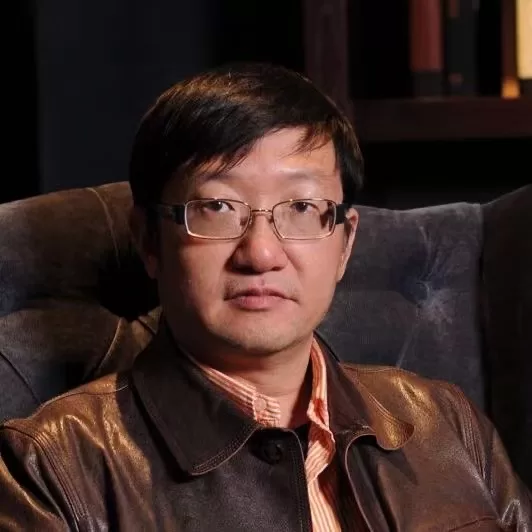
策展人:顾振清
Curator:
1987年毕业于复旦大学历史系。曾任上海多伦现代美术馆总策展人、副馆长(2003-2006),中国当代艺术奖艺术总监(2004),朱屺瞻艺术馆执行馆长(2006-2007),《视觉生产》主编(2006-2008),北京白盒子艺术馆艺术总监(2009-2011),西安贾平凹文化艺术馆学术馆长(2014-2016),台湾艺术大学客座副教授(2018-2020),2021年起任广州美术学院客座教授。
他策展的重要项目包括:2001年广东美术馆“虚拟未来”、成都双年展;2004年奥斯陆“轻而易举·上海拼图”;2005年首尔“亚洲城市网络”;2008年波兹南双年展;2009年台北“各搞各的”;2012年上海“心动上海”;2016年圣彼得堡“走出牡丹亭”;2018年广安田野双年展、乌兰巴托国际艺术节;2021年温州“脱域”、苏州“分身”;2022-2023年无锡“我的元宇宙”、顺德“白皮书”;2023年郑州“奇点”、开罗OFF双年展;2024年深圳“有效加速”;2024-2025年哈瓦那双年展“时间戳”等,并多次参与连州国际摄影节。
Curator Gu Zhenqing graduated from the Department of History at Fudan University, Shanghai, in 1987. He served as Chief Curator and Deputy Director of Shanghai Duolun Museum of Modern Art (2003–2006), Artistic Director of the Chinese Contemporary Art Awards (CCAA, 2004), Executive Director of Shanghai Zhu Qizhan Art Museum (2006–2007), Editor-in-Chief of Visual Productionmagazine (2006–2008), Artistic Director of Beijing White Box Art Museum (2009–2011), Academic Director of Xi’an Jia Pingwa Culture and Art Museum (2014–2016), and Visiting Associate Professor at Taiwan University of Arts (2018–2020). He has been a Visiting Professor at Guangzhou Academy of Fine Arts since 2021.
His major curated projects include: Virtual Future at Guangdong Museum of Art (2001); the first Chengdu Biennale (2001); Easy! Shanghai Puzzle 2000–2004 at Oslo National Museum of Contemporary Art (2004); Asian City Network at Seoul Museum of Art (2005); the first Poznań International Biennale (2008); Do It Separately at Taipei Museum of Contemporary Art (2009); Heartbeat Shanghai (2012); Out of the Peony Pavilion at the Russian Museum of Ethnography, St. Petersburg (2016); Guang’an Field Biennale (2018); Ulaanbaatar International Art Festival (2018); Disembedding at Wenzhou HOW Art Museum (2021); Avatars at Suzhou Han Shan Art Museum (2021); My Metaverse in Wuxi (2022–2023); White Paper: Consensus Universe in Shunde (2022–2023); Singularity in Zhengzhou (2023); the 10th Eurasian Mediation Biennale in Istanbul (2023); the 3rd Cairo OFF Biennale (2023); Effective Acceleration at Shenzhen Jupiter Museum of Art (2024); and TimeStamp at the 15th Havana Biennale (2024–2025). He has also participated multiple times in the Lianzhou International Photo Festival.